Simplifying Leak Detection Maintenance in Data Centers
Simplifying Leak Detection Maintenance in Data Centers
How digital architecture reduces routine intervention and improves reliability
Leak detection systems are installed in data centers to reduce risk — not to create additional operational workload. Yet the level of maintenance required can vary significantly depending on the technology behind the system.
Analog vs Digital: What’s the Difference?
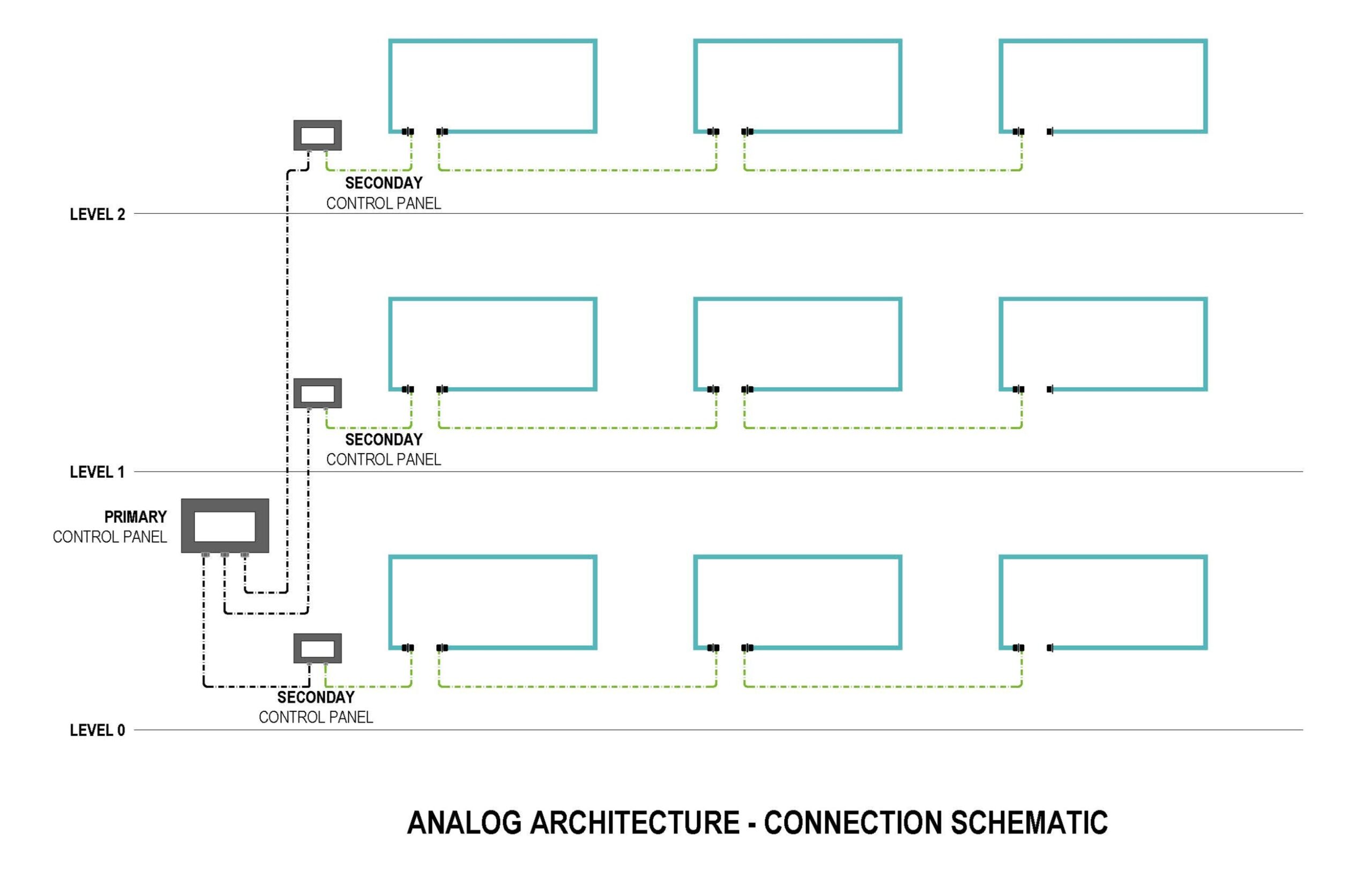
In leak detection, analog systems typically measure variations in electrical resistance along a continuous cable. When liquid is detected, the controller interprets the change in resistance to estimate the leak location. The cable itself contains no embedded intelligence — all analysis is performed at the controller level.
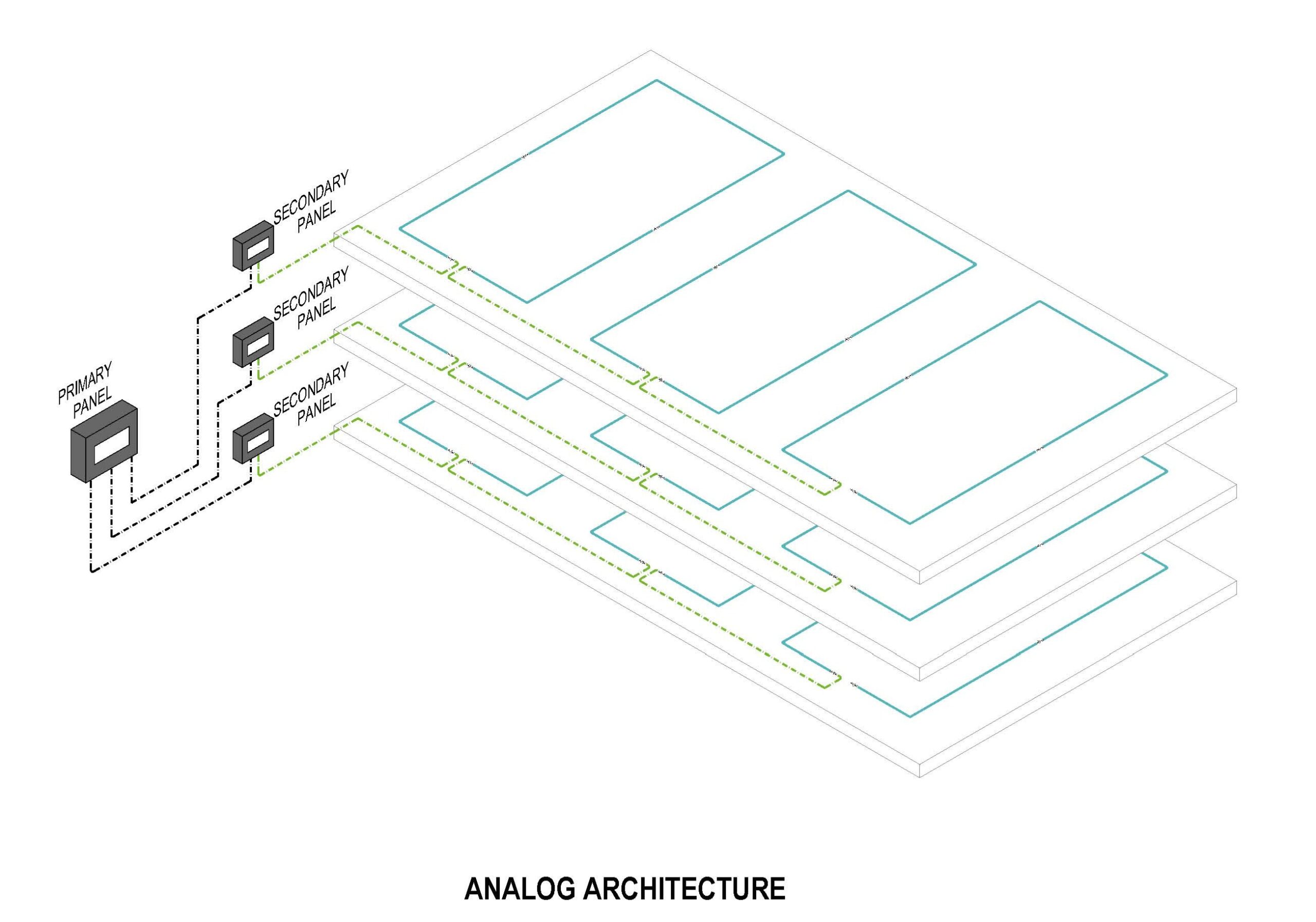
For larger areas, analog installations often require a multi-level architecture. A central “master” panel supervises several “slave” zoning panels, which in turn are connected to the sense cables distributed throughout the facility.
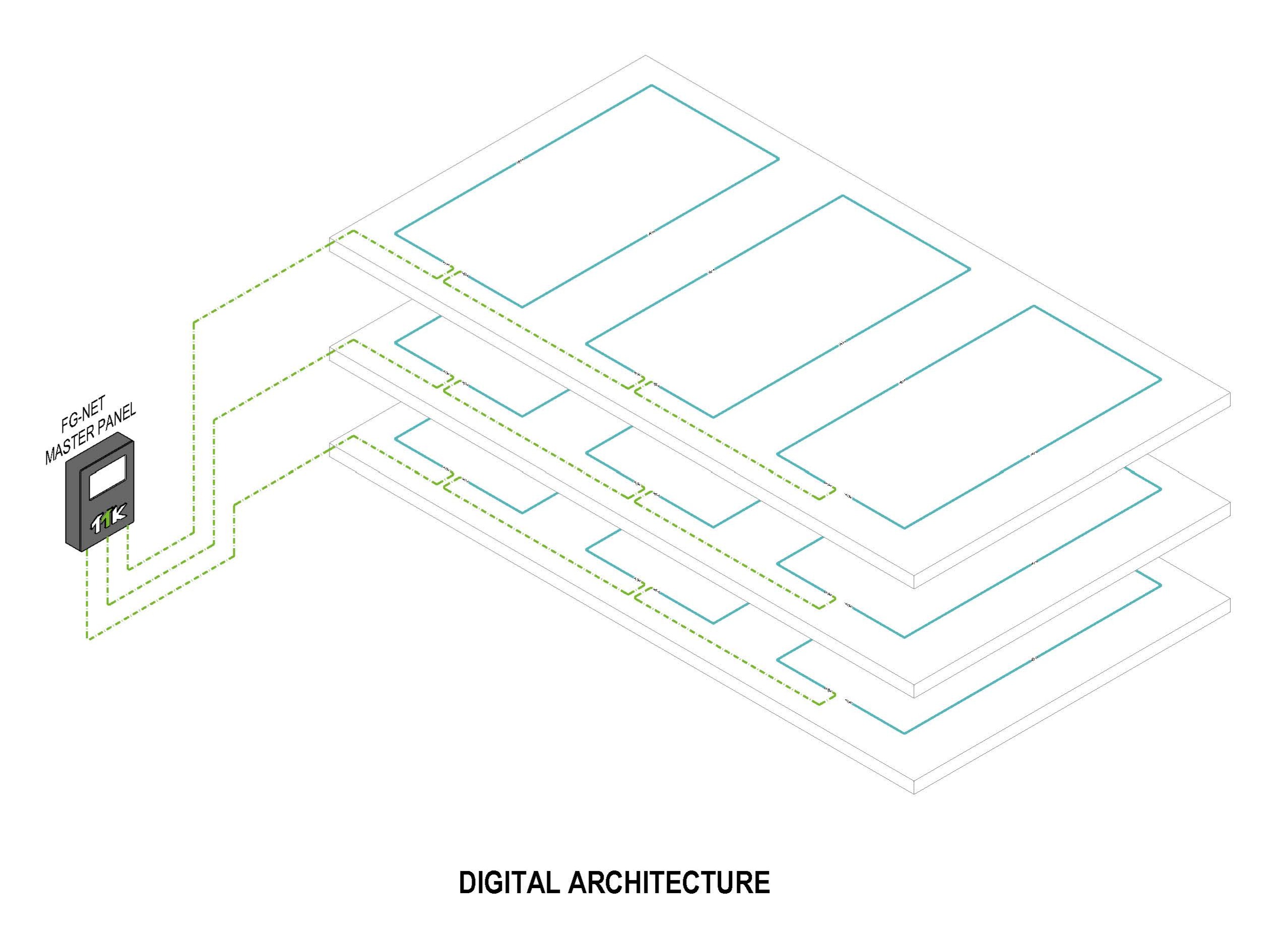
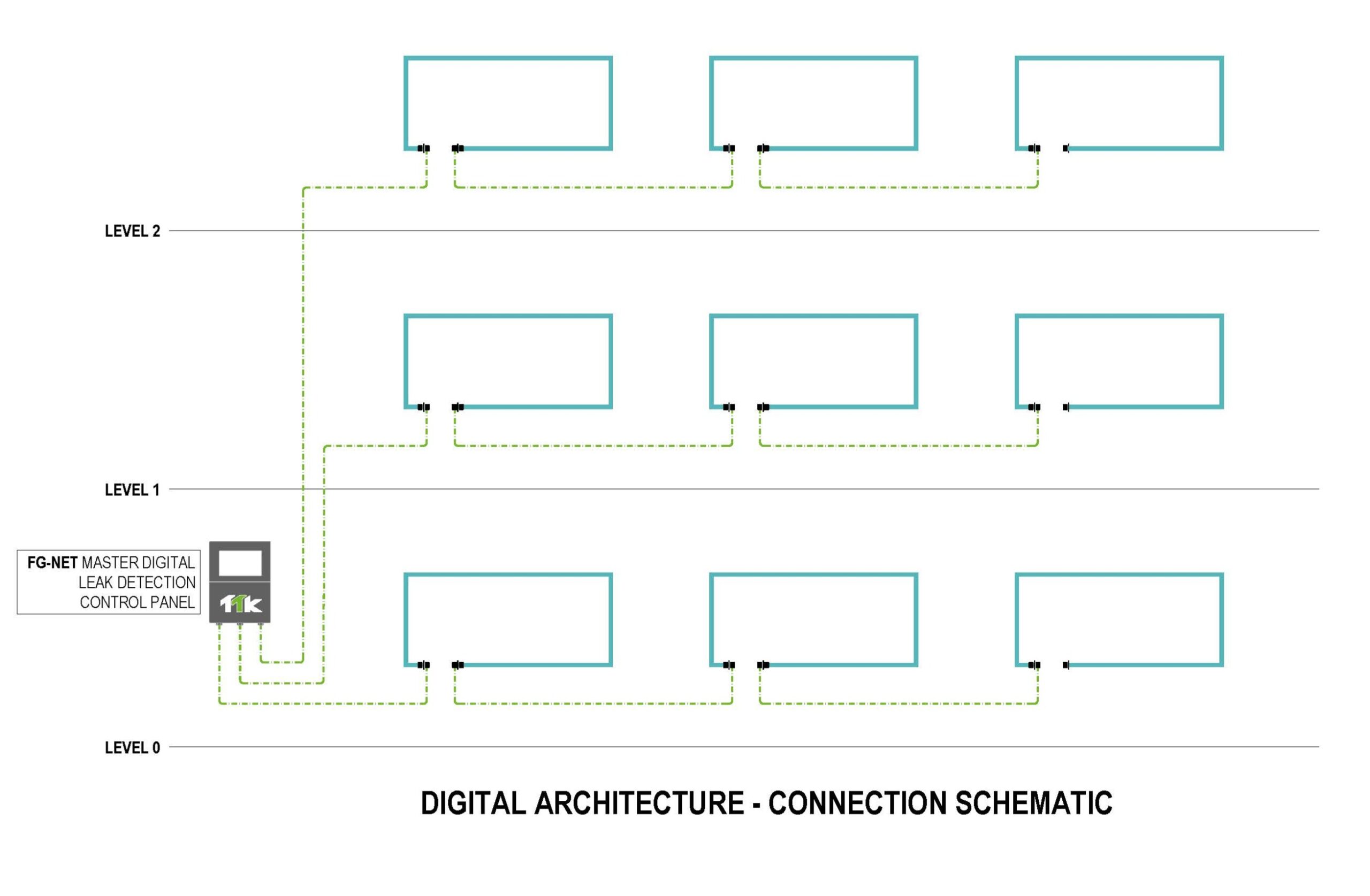
By contrast, digital systems use a sense cable that incorporates embedded microcontroller. Each cable has its own identification and monitoring capability. The panel communicates directly with the sense cables, enabling precise identification of events and continuous monitoring of cable status. No intermediate zoning panels are required.
This architectural difference has practical consequences for maintenance.
Maintenance in Practice
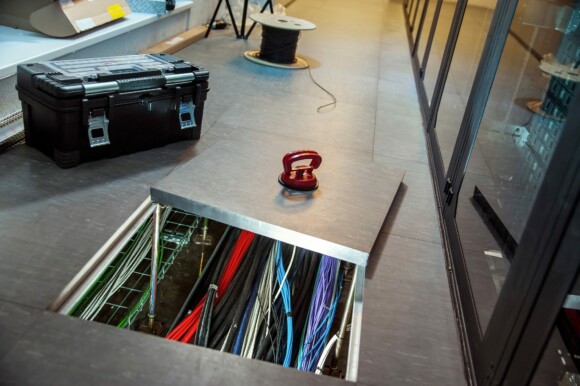
With analog systems, regular checks and preventive cleaning are often required to ensure sensitivity has not drifted over time. Environmental factors such as dust, humidity, or aging can influence measurements. When a fault or alarm occurs, technicians may need to physically inspect sections of cable to determine whether the issue is a real leak, a cable fault, or environmental interference.
Digital systems approach this differently.
With TTK Smart Cable, each addressable sense cable includes a microchip that continuously monitors its own condition. The system can automatically report cable faults, identify the exact affected cable, and distinguish between leak detection and cable break. This reduces manual verification and simplifies troubleshooting.
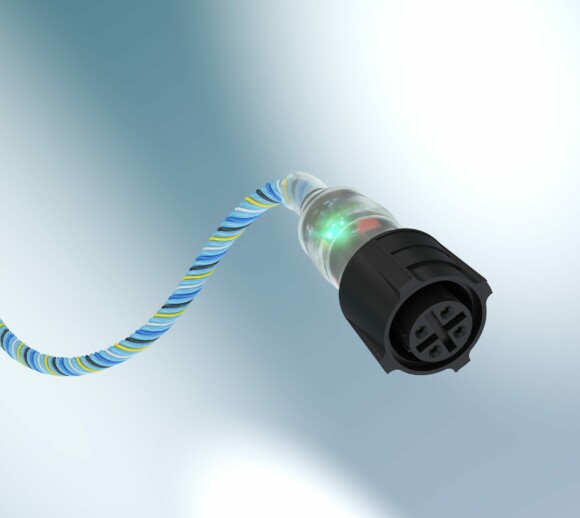
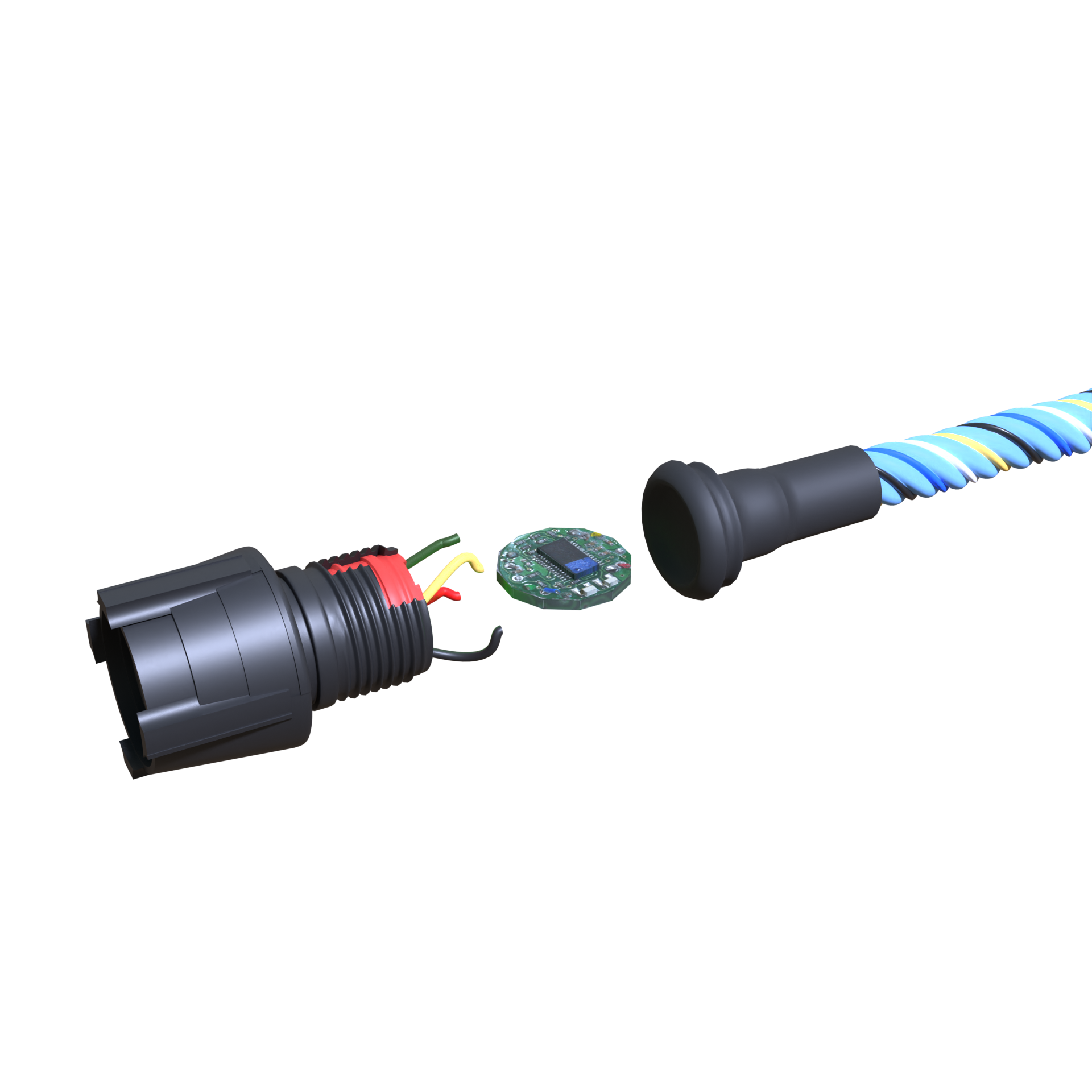
TTK addressable sense cable with embedded microchip
The difference is not about “more” or “less” technology — it’s about how much routine intervention the system requires to remain reliable and efficient.
Beyond simplifying maintenance, a digital system is also easier to implement, requiring fewer panels, less power supply infrastructure, and reduced cabling work.
A Real Example
In Belgium, a telecom operator recently contacted the TTK team to replace its existing leak detection installation. The original analog system required frequent manual inspections and preventive cleaning to maintain reliability. It also generated recurring false alarms, increasing the workload of the facility team and creating unnecessary operational pressure.
The decision to migrate to a digital system was not driven by site expansion, but primarily by the need to reduce maintenance burden and improve diagnostic clarity. By upgrading to a digital architecture, the client now benefits from continuous self-monitoring, precise fault identification, and significantly reduced manual intervention — resulting in a more reliable and efficient leak detection system.
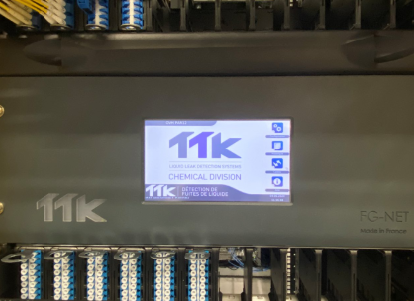
FG-NET digital leak detection monitoring panel rack format installed on site
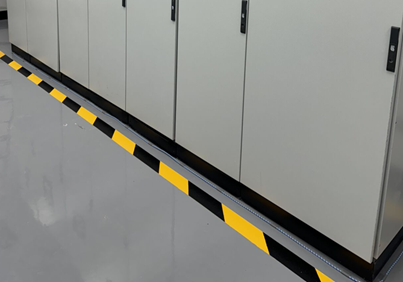
FG-EC water sense cable installed around an electrical cabinet
In critical environments like data centers, maintenance efficiency is not a secondary consideration. The design of the leak detection system — analog or digital — directly influences how much time teams spend managing the system instead of focusing on core infrastructure.
In this context, system architecture becomes more than a technical detail. A digital leak detection system with addressable sense cables simplifies maintenance by enabling direct communication, continuous self-monitoring, and precise fault identification.
For data center operators, this means less time spent troubleshooting and more focus on maintaining uptime — where it matters most.
To learn more about the TTK digital leak detection system solutions for data centers, read this article here.